October 12, 2026
Mature trees are among the most valuable features on any property. They provide shade on hot summer days, add character to your landscape, offer shelter for wildlife, and can even increase your home's value. But as trees grow larger and older, their care needs change. Branches become heavier, canopies grow denser, and small problems can turn into serious hazards if they're left unchecked. Regular tree trimming is one of the best ways to protect a mature tree's health, structure, and appearance. Knowing when and how often your trees should be trimmed can help you keep them strong for decades while protecting your home, vehicles, and family from falling limbs.
Understanding Why Mature Trees Need Regular Trimming
Many homeowners assume that once a tree reaches maturity, it can simply take care of itself. In reality, mature trees benefit greatly from periodic attention. Over time, branches may cross and rub against one another, creating wounds that invite insects and disease. Dead or dying limbs can become brittle and fall without warning, especially during storms. Dense canopies can block sunlight and airflow, which may encourage fungal growth and weaken the tree from within. Trimming removes these problem areas, improves the tree's structure, and allows it to direct energy toward healthy growth. It also helps maintain safe clearance from rooftops, power lines, driveways, and walkways, reducing the risk of property damage.
Following a General Three- to Five-Year Schedule
Most mature trees don't need to be trimmed every year, but they also shouldn't be ignored for long stretches of time. According to HomeGuide, having most mature trees professionally trimmed every three to five years can go a long way toward keeping them healthy and attractive. This timeline gives trees enough time to recover between trims while still allowing arborists to catch structural issues before they become dangerous. Of course, this range is a general guideline rather than a strict rule. A tree's species, age, location, and overall condition all affect how often it should be trimmed. Trees near homes, roads, or utility lines may need more frequent attention, while trees in open areas with plenty of room to grow may be fine on a longer cycle.
Timing Trims Around the Dormant Season
When a tree is trimmed can be just as important as how often. For many species, late winter or early spring is the ideal time for tree trimming. During dormancy, trees aren't actively growing, so cuts are less stressful and wounds can begin to close quickly once new growth starts in the spring. Without leaves on the branches, it's also easier for arborists to see the tree's structure and identify weak or crossing limbs. Dormant-season trimming can lower the risk of spreading certain diseases and attracting insects, which tend to be less active in colder months. That said, some trimming can be done safely at other times of the year, especially when removing dead, damaged, or hazardous branches that pose an immediate risk. Light maintenance cuts can also be made in summer to shape growth or improve clearance without placing too much stress on the tree.
Adjusting Schedules for Different Tree Species
Not every tree follows the same timeline. Fast-growing species like maples, willows, and silver poplars may need trimming more often to control their size and prevent weak branch structures from forming. Slower-growing trees such as oaks and many evergreens can often go longer between trims. Flowering trees present their own considerations, since trimming at the wrong time can remove buds and reduce blooms for the season. Some trees, including oaks and elms, are also vulnerable to specific diseases that spread more easily when cuts are made during warm months. A knowledgeable tree care professional can create a schedule based on the types of trees on your property, helping each one stay healthy and look its best.
Responding to Storm Damage and Hazards
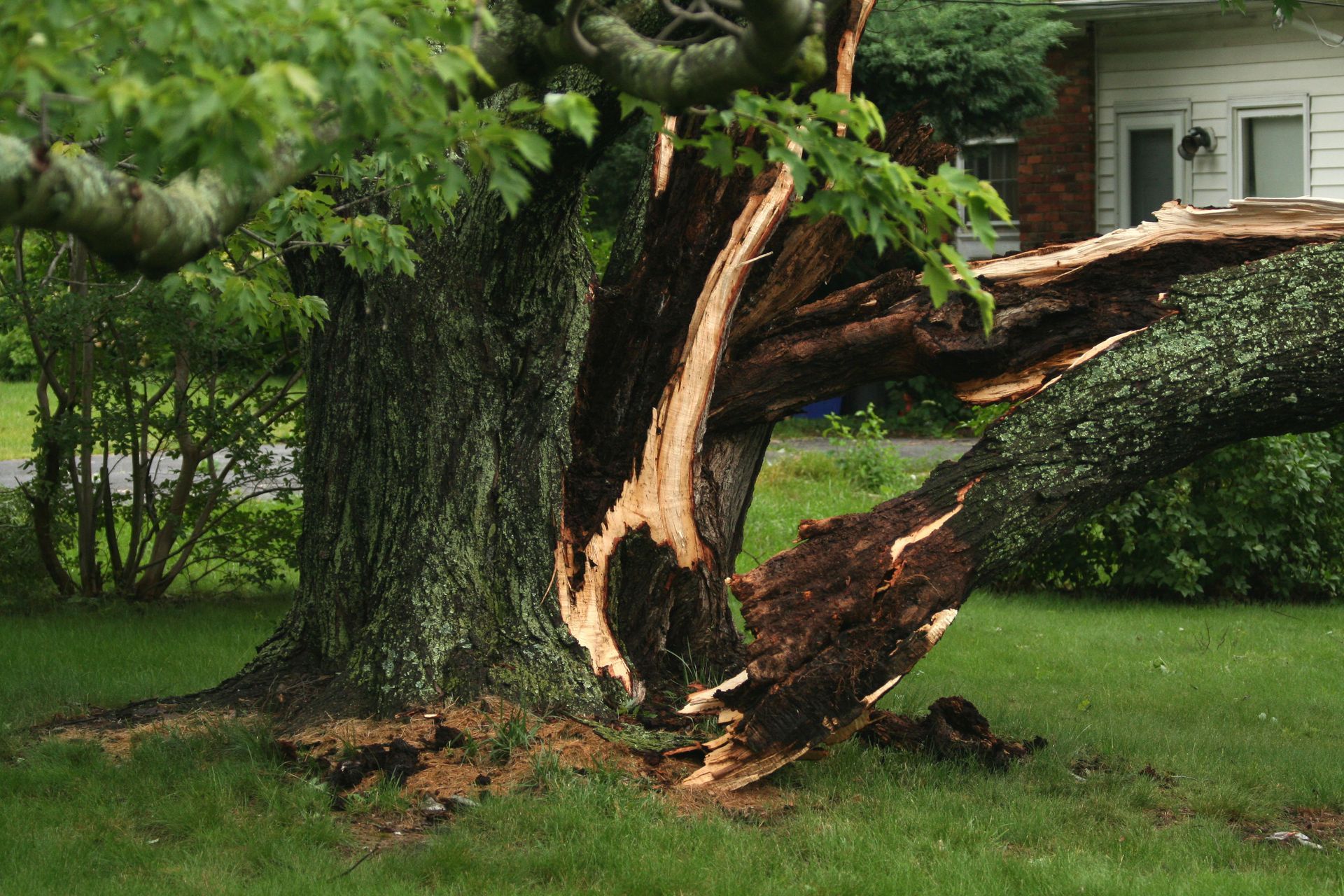
Even the most carefully planned schedule may need adjustments after severe weather. High winds, heavy rain, ice, and snow can crack branches, split trunks, or leave limbs hanging dangerously overhead. Damaged branches should be addressed as soon as possible to prevent them from falling and to reduce the risk of decay or disease entering open wounds. Storm-related tree trimming should always be handled by trained professionals, since broken limbs can be under tension and may shift or snap unexpectedly. Prompt attention after a storm protects both the tree and the people and property around it.
Watching for Signs a Tree Needs Attention Sooner
Sometimes a tree will show signs that it needs care before its next scheduled trim. Dead or leafless branches, especially in the upper canopy, are a common warning sign. Cracks in the trunk or major limbs, peeling bark, fungal growth near the base, and branches that hang low over roofs or driveways also call for a closer look. A canopy that has become noticeably thin or lopsided may point to health or structural concerns. Limbs that brush against your home, block streetlights, or interfere with power lines should be addressed promptly. Keeping an eye on these signs throughout the year helps you catch problems early, when they're often easier and less costly to fix. Scheduling tree trimming as soon as you notice these issues can keep a minor concern from turning into a dangerous situation or an expensive removal.
Avoiding the Risks of Over-Trimming
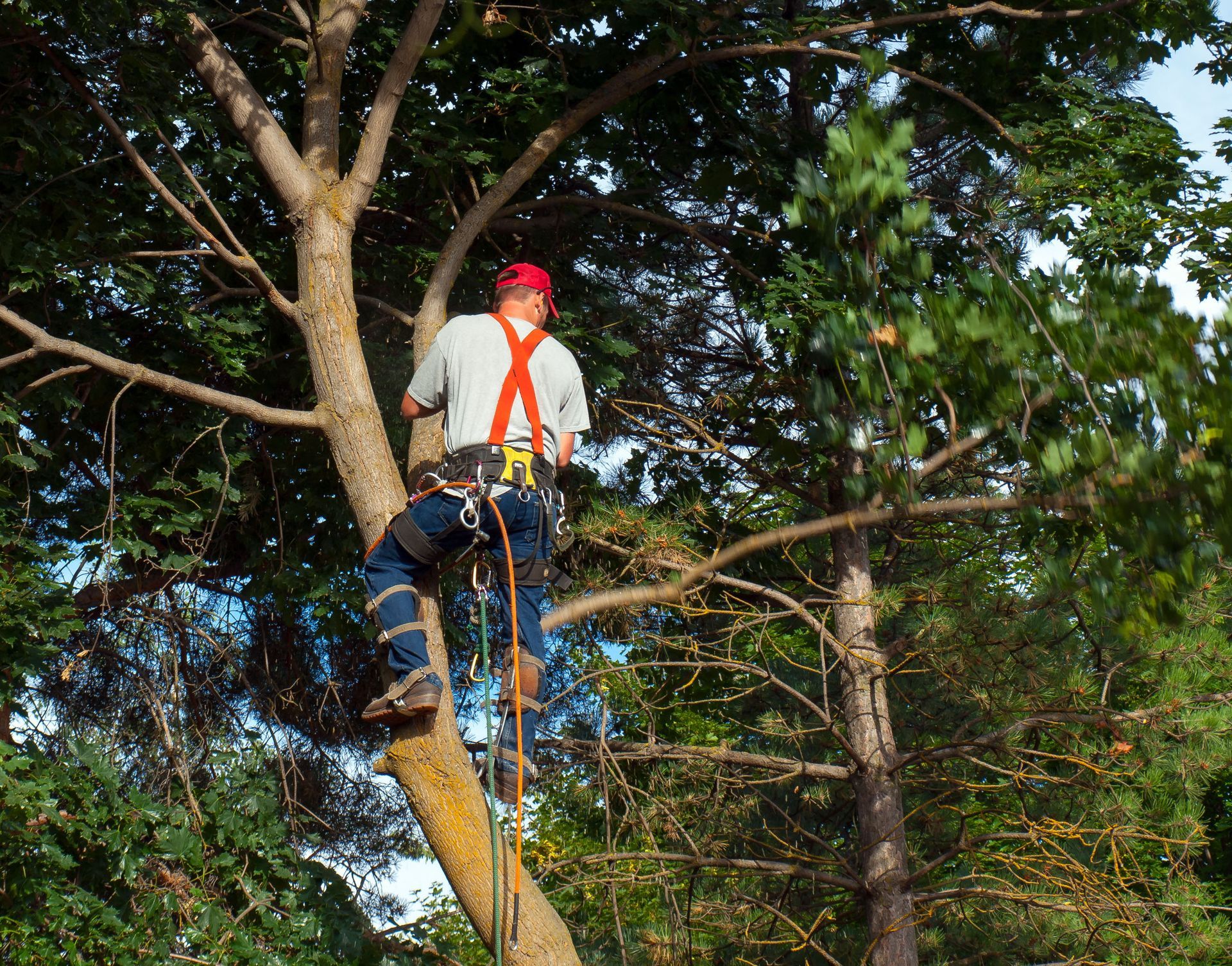
While regular care is important, more isn't always better. Removing too much of a tree's canopy at once can cause serious stress, leaving the tree vulnerable to sunscald, pests, and disease. Practices like topping, which involves cutting large branches back to stubs, can permanently damage a tree's structure and lead to weak, fast-growing sprouts that break easily. Professional arborists generally avoid removing more than a modest portion of the canopy in a single session. Proper tree trimming focuses on selective cuts that improve structure and health while preserving the tree's natural shape. This careful approach is one of the biggest reasons to leave work on mature trees to experienced professionals.
Planning Ahead With a Long-Term Care Strategy
The healthiest mature trees are usually the ones that receive consistent care over many years. Rather than waiting for problems to appear, homeowners can work with a tree care team to build a long-term plan for their property. This might include routine inspections, a rotating trimming schedule for different trees, and seasonal checkups after major storms. Keeping simple records of when each tree was last trimmed can also help you stay on track. A proactive approach spreads out costs, prevents emergencies, and helps every tree on your property stay strong, safe, and beautiful.
At El Chamo Tree Removal Services, we know how much your mature trees mean to your property, and we're committed to helping them thrive for years to come. Our experienced team provides professional tree trimming that improves structure, removes hazards, and supports healthy growth while preserving the natural beauty of every tree we work on. We'll help you build a trimming schedule that fits your trees' species, age, and condition, and we're ready to respond when storms leave behind damaged or dangerous limbs. From routine maintenance to tree removal when it's truly necessary, we handle every job safely and with care. Contact El Chamo Tree Removal Services today to schedule an inspection and keep your trees healthy, safe, and looking their best.