July 22, 2026
While you are enjoying the lush, green shade of summer, it might seem strange to think about freezing weather. However, smart homeowners know that the best landscape care requires planning months in advance to get the best results. Preparing your trees for the future keeps them strong all year long. Planning for this seasonal maintenance is the best gift you can give your landscape.
Understanding the Magic of Dormancy
When the cold weather rolls in, your trees go into a deep sleep called dormancy. This is a natural state where they temporarily halt growth to save energy and protect themselves from freezing temperatures. It is the perfect time for complete maintenance because the plant is resting and will not suffer from losing major branches. This quiet phase allows the plant to focus entirely on its internal preservation during the cold winter months.
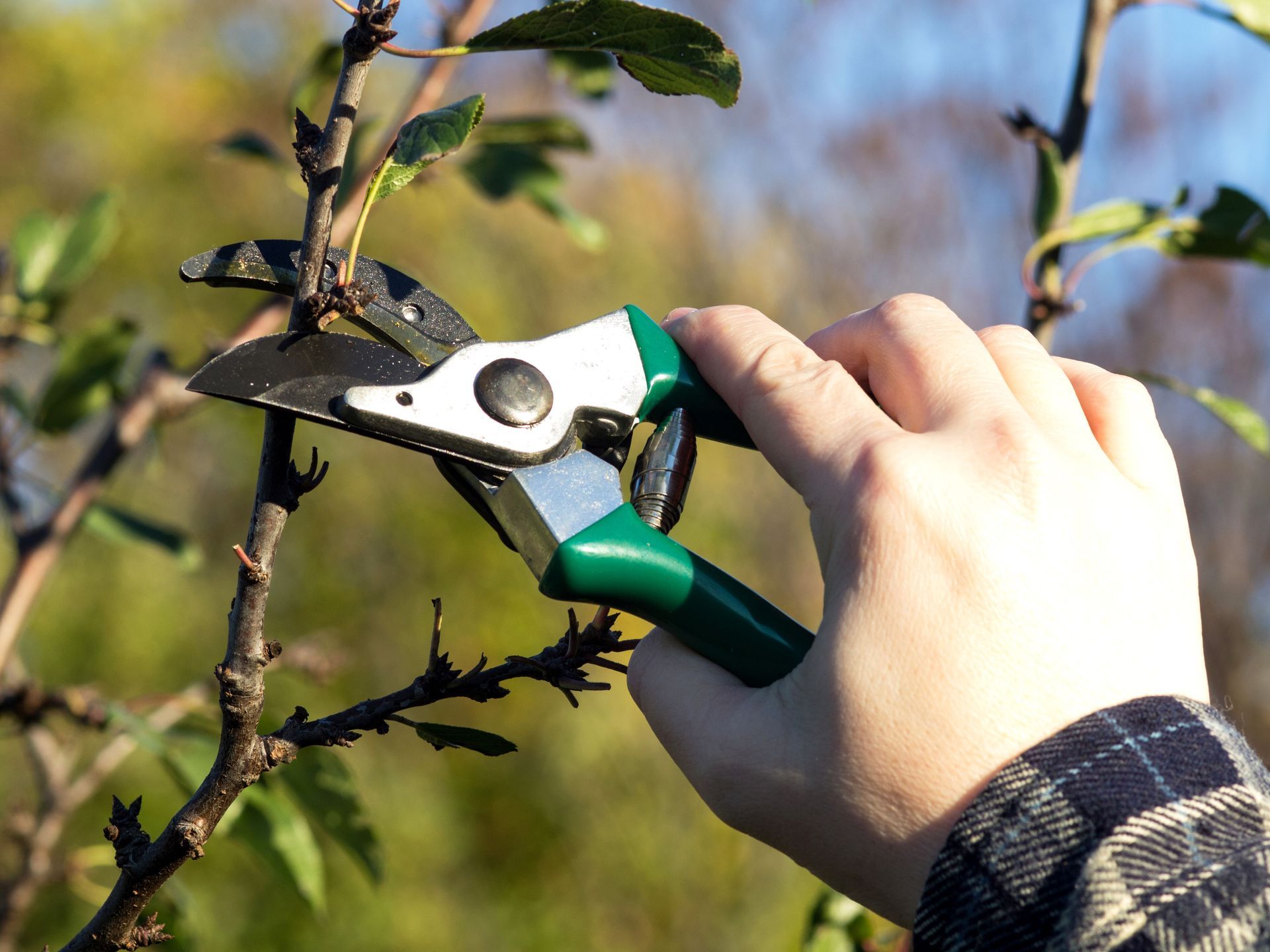
By scheduling your tree trimming during this quiet winter window, you work with the natural cycle of the tree rather than fighting it. When a branch is cut in the winter, the tree does not lose precious sap or energy trying to heal the spot right away. Instead, the cut sits safely in the cold, waiting for spring to start the healing process. This reaction prevents the plant from wasting valuable winter food reserves. This seasonal pause gives the roots a chance to rest without any added stress.
According to Bob Vila, the ideal time for tree trimming is late winter. This is because the upcoming warm spring weather will immediately trigger a rapid healing response, sealing fresh cuts before pests wake up. It is like putting your trees under anesthesia for a quick, painless procedure before they wake up refreshed for the sunny season. This strategic timing maximizes the natural recovery abilities of your landscape. You will end up with a vibrant canopy that thrives all through the year.
Preventing the Spread of Diseases
Winter is an incredibly clean time for your yard because freezing temperatures put most fungi, bacteria, and insects into a deep freeze of their own. During the warm summer months, open wounds on a tree are like open doors for disease-carrying bugs and spores. In late winter, those pests are completely inactive, meaning your trees are unlikely to get sick. Freezing air naturally sanitizes the environment around the fresh cuts.
Many common tree diseases, such as oak wilt or fire blight, are highly contagious and spread easily when bugs crawl from one fresh cut to another. By taking care of your tree trimming when the temperature drops, you remove the risk of these bugs invading. Cold air acts as a shield, keeping open cuts clean and free from pathogens. This simple scheduling shift keeps your backyard safe from devastating infestations.
By the time warm weather returns and bugs wake up, the tree has already started sealing its cuts with fresh bark. This natural barrier keeps the wood safe from infections throughout the spring and summer. It is a simple, natural way to keep your trees healthy without having to apply chemical sprays or wound dressings later on. You enjoy a thriving landscape without worrying about sudden pest outbreaks.
Improving the Structure of Branches
When leaves are fully grown in the summer, they hide the actual skeletons of your trees. It is almost impossible to see which branches are crossing, rubbing together, or growing at dangerous angles. Once autumn leaves fall and the branches are bare, the entire structure of the tree is on display like a clear blueprint. This visibility makes it easier to plan clean, strategic cuts that improve long-term health.
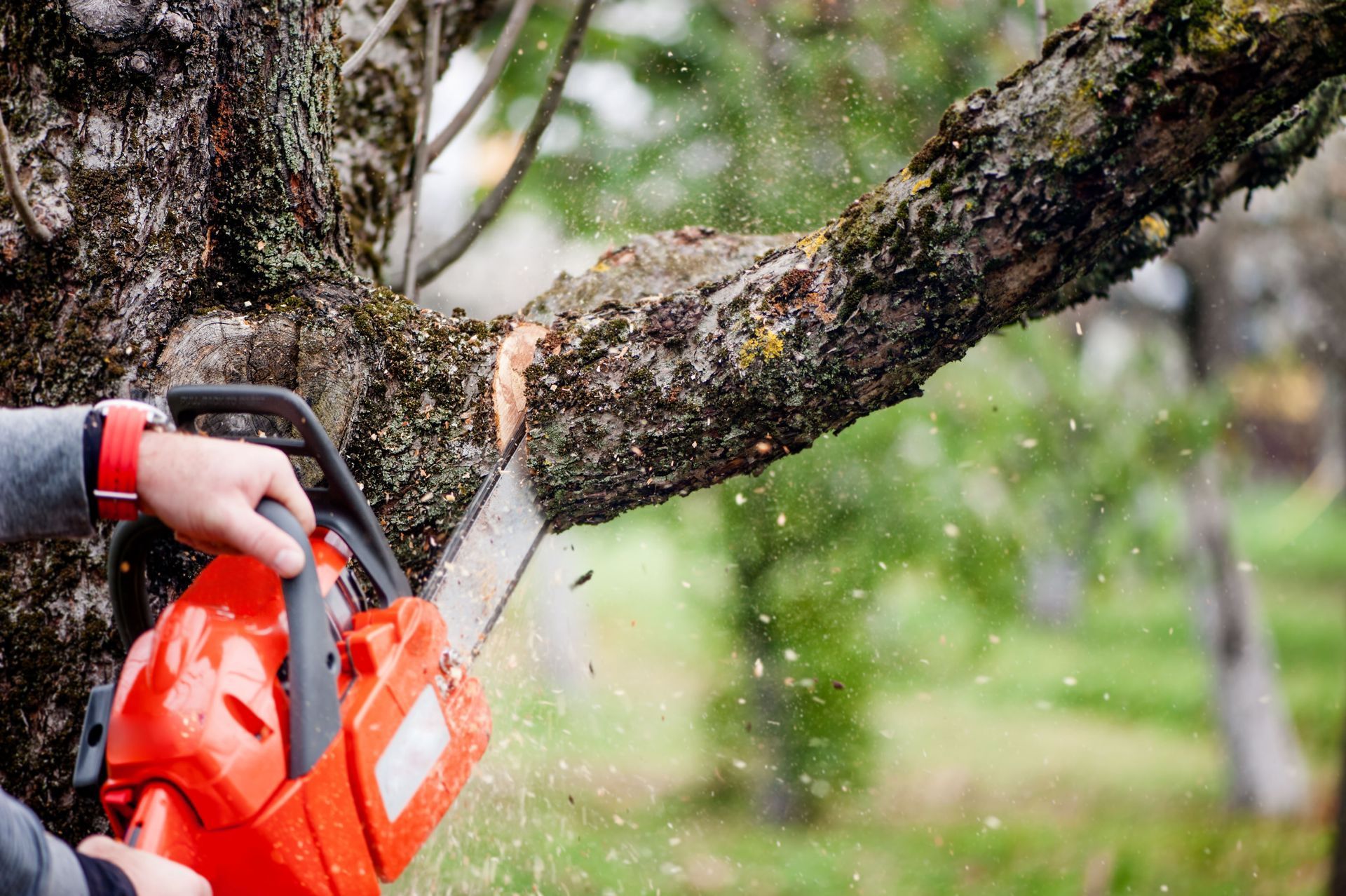
A professional crew can easily spot weak spots, dead wood, and structural hazards when they have a clear line of sight. This makes winter tree trimming incredibly precise and effective because there is no guesswork involved. The team can quickly identify which branches need to be removed to create a strong, balanced canopy that can withstand strong winds. Having this clear view prevents accidental cuts to healthy, vital limbs.
When you thin out crowded branches in the winter, you allow much more sunlight and air to filter through the canopy during the summer. This extra light helps the inner leaves grow thick and green, while the improved airflow prevents mold from growing on the bark. Your trees will look much more beautiful and grow in a balanced, natural shape. A well-ventilated canopy is far less likely to harbor destructive pests.
Boosting the Growth of Blooms
If you want your flowering trees to put on a spectacular show in the spring, winter is the time to prepare them. Cutting back certain branches during the dormant season stimulates a massive burst of new growth when the soil warms up. The tree can direct all of its stored winter energy into making new, healthy buds rather than maintaining old, weak wood. This simple step transforms a sluggish yard into a masterpiece of color.
Proper tree trimming redirects the tree’s natural growth hormones to the areas where they are needed most. Instead of wasting energy on long, straggly branches that do not produce many flowers, the tree concentrates its power on creating dense, beautiful clusters of blooms. You end up with a much fuller, more vibrant display of colors once warm weather hits. This concentrated energy results in much stronger stems that support heavy flowers.
This boost in growth also applies to non-flowering trees, which produce thicker, greener leaves in the spring. The overall health of the tree skyrockets because it does not have to support unnecessary weight or dead wood. It is like giving your yard a giant glass of energy drink right before the main growing season begins. You will notice a dramatic difference in how lush your canopy looks compared to previous years.
Protecting Your Property from Storms
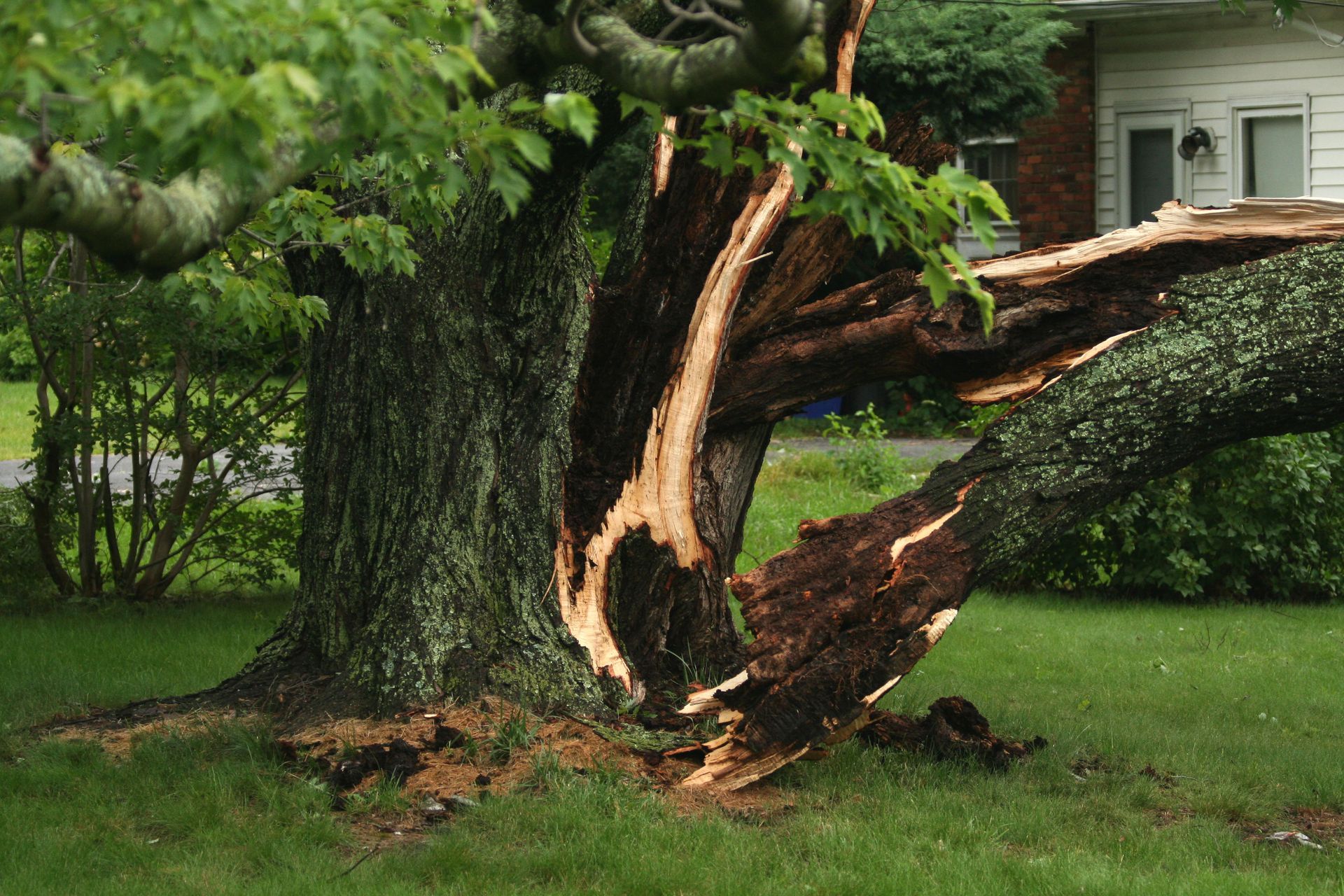
Heavy ice, snow, and winter winds can turn weak or dead branches into serious hazards for your home, car, and power lines. When a branch is already decaying, the added weight of a winter storm can easily cause it to snap and crash down. Taking care of these weak spots early in the season keeps your entire property much safer. It is better to address these vulnerabilities before the first major storm arrives.
During a winter tree trimming session, a professional team will identify and remove these heavy, hazardous limbs before they have a chance to fall. This proactive care prevents unexpected damage during major blizzards or ice storms. You can rest easy during bad weather knowing that your canopy is light, strong, and ready to handle the elements. Taking these precautions protects your family and your property throughout the darkest months.
Removing these bulky branches also reduces wind resistance, allowing strong gales to blow right through the canopy rather than pushing against it like a giant sail. This protects the main trunk from splitting or blowing over entirely in high winds. It is a smart, preventive step that keeps your home safe and your beautiful trees standing tall for decades. A balanced shape distributes wind forces evenly across the entire root system.
Even though we are in the middle of summer, booking an evaluation now sets your yard up for future success. Taking care of your pruning needs in the quiet winter months is the absolute best way to keep things safe. Contact El Chamo Tree Removal Services today to schedule a summer health assessment.